




CARE AND ADVICE
March
While no one wants to waste money on getting a great looking garden – it’s a fact of life that good results come from investing time and money using the best composts and plant foods you can afford. Whatever the weather throws at us, spring is on the horizon and it's time to get the garden, patio and lawn in trim ready for another year of productive growing.
Shrubs such as Camellia and Magnolia will be blooming in March and providing some huge flowers for everyone to enjoy. It’s a reminder that trees, shrubs and herbaceous perennials such as peonies, that flower later, also need feeding to encourage new strong growth and plenty of flower buds. Traditional gardeners will feed with some of their old favourites such as Fish, Blood & Bone or Chicken Manure. For novice gardeners that aren’t sure of the benefits of these organic fertilizers Miracle-Gro have launched well packaged examples that provide simple explanations on where and when to use for maximum benefit. Both examples of these balanced plant foods provide organic sources of all the main three nutrients. The organic nitrogen in Miracle-Gro Fish, Blood & Bone is slowly and steadily released for up to 8 weeks to promote strong growth and healthy green leaves. Similarly phosphates are also released steadily to promote vigorous root growth and potassium is provided to promote flower production and to improve the ripening fruit and vegetables.
As the soil warms up, hardy annual flowers can be sown in clean beds that have had weeds removed. New this year for gardeners is Miracle-Gro Flower Magic a quick and easy way to a colourful decorative border that will provide an ever changing display of attractive blooms all summer long. Simply fork over or rake the area to provide a loose, crumbly surface and then shake the unique mixture of flower seeds, coir compost and season-long plant food over your bed or border. Water gently with a fine rose and you will notice that the light coir compost changes colour to a dark brown. When the compost dries out it turns back to a light brown colour clearly indicating that more water is needed.
After a few weeks you will see many new flowers growing – there are up to 29 different seed varieties in each pot of Multi-Coloured seed mix. The early bloomers that will bloom from about six weeks include Californian poppy, marigold, alyssum, morning glory and viscaria, while the late bloomers such as zinnia, godetia, stock and cosmos will gradually emerge later in summer.
Be warned: this will not make a wild flower meadow with lots of grasses and a few buttercups and daisies. Instead, Flower Magic grows a full blown flower border – low-growing varieties, medium tall flowers and willowy blooms in a jewelled mixture of different colours, shapes and flower forms. How about that for an effortless way to a beautiful flower garden? And it won’t cost a fortune – the 1 kg shaker jar covers up to 4 square metres and costs just £12.99. You don’t even need a garden to appreciate the beauty of these varied blooms – there is a 350g pouch of Flower Magic Multi-Coloured Mix for £5.99 that is enough for ten large patio pots or balcony containers, each 42cm (16”) in diameter.
TOPICAL TIP
Slug and snail population are likely to be high this year. While slug pellets provide an effective bait to lure the molluscs above ground to their death – they do nothing for the ones hiding below the soil surface. That’s where liquid SlugClear comes into its own. It can easily be watered around susceptible, decorative plants such as delphiniums and hostas to protect the new growth.
As the soil warms up, hardy annual flowers can be sown in clean beds that have had weeds removed. New this year for gardeners is Miracle-Gro Flower Magic a quick and easy way to a colourful decorative border that will provide an ever changing display of attractive blooms all summer long. Simply fork over or rake the area to provide a loose, crumbly surface and then shake the unique mixture of flower seeds, coir compost and season-long plant food over your bed or border. Water gently with a fine rose and you will notice that the light coir compost changes colour to a dark brown. When the compost dries out it turns back to a light brown colour clearly indicating that more water is needed.
After a few weeks you will see many new flowers growing – there are up to 29 different seed varieties in each pot of Multi-Coloured seed mix. The early bloomers that will bloom from about six weeks include Californian poppy, marigold, alyssum, morning glory and viscaria, while the late bloomers such as zinnia, godetia, stock and cosmos will gradually emerge later in summer.
Be warned: this will not make a wild flower meadow with lots of grasses and a few buttercups and daisies. Instead, Flower Magic grows a full blown flower border – low-growing varieties, medium tall flowers and willowy blooms in a jewelled mixture of different colours, shapes and flower forms. How about that for an effortless way to a beautiful flower garden? And it won’t cost a fortune – the 1 kg shaker jar covers up to 4 square metres and costs just £12.99. You don’t even need a garden to appreciate the beauty of these varied blooms – there is a 350g pouch of Flower Magic Multi-Coloured Mix for £5.99 that is enough for ten large patio pots or balcony containers, each 42cm (16”) in diameter.
TOPICAL TIP
Slug and snail population are likely to be high this year. While slug pellets provide an effective bait to lure the molluscs above ground to their death – they do nothing for the ones hiding below the soil surface. That’s where liquid SlugClear comes into its own. It can easily be watered around susceptible, decorative plants such as delphiniums and hostas to protect the new growth.
With record amounts of rain falling this winter it is inevitable that most nutrients have been washed through soil, leaving the whole lawn area short of nitrogen. Even worse than the resulting pale and anaemic grass, the wet weather and mild temperatures will have encouraged moss to spread throughout the lawn.
EverGreen Mosskill Soluble or Scotts Lawn Builder Lawn Food plus Moss Control will help to kill the moss and give the grass a tonic. I prefer to use the dry mini granules of the Lawn Builder product as it is quick and easy to apply through a Scotts EvenGreen Drop Spreader and will not scorch the grass when applied correctly. In one week I expect to see the grass greener, in two weeks the moss will be dying and because the slow release granules supply a steady release of valuable nutrients for up to eight weeks the lawn will stay thicker and greener for months.
A couple of weeks after treatment with a mosskiller rake out the dead moss. Once the moss has gone you will notice the obvious bare patches and the thin areas that are short of grass plants. Don't worry - thin lawns and bare patches in a lawn aren't a disaster. Simple first aid this spring will rescue the situation. Rake over the area lightly and sprinkle with Miracle-Gro Patch Magic to repair bare patches.
TOPICAL TIP
Start cutting the lawn every couple of weeks to encourage the grass plants to thicken up and trim around the edges to provide a sharp edge between green grass and clean soil borders.
EverGreen Mosskill Soluble or Scotts Lawn Builder Lawn Food plus Moss Control will help to kill the moss and give the grass a tonic. I prefer to use the dry mini granules of the Lawn Builder product as it is quick and easy to apply through a Scotts EvenGreen Drop Spreader and will not scorch the grass when applied correctly. In one week I expect to see the grass greener, in two weeks the moss will be dying and because the slow release granules supply a steady release of valuable nutrients for up to eight weeks the lawn will stay thicker and greener for months.
A couple of weeks after treatment with a mosskiller rake out the dead moss. Once the moss has gone you will notice the obvious bare patches and the thin areas that are short of grass plants. Don't worry - thin lawns and bare patches in a lawn aren't a disaster. Simple first aid this spring will rescue the situation. Rake over the area lightly and sprinkle with Miracle-Gro Patch Magic to repair bare patches.
TOPICAL TIP
Start cutting the lawn every couple of weeks to encourage the grass plants to thicken up and trim around the edges to provide a sharp edge between green grass and clean soil borders.
Continue to sow seeds of tender bedding plants such as busy lizzies, petunia and other subjects so that you have plenty of young plants for use in pots and hanging baskets. Good light from a window or conservatory will encourage short stocky growth, so make sure they can see the sky.
Most people use a seed and cutting compost, and follow the instructions on each pack; so it was interesting to read in a consumer magazine this January that they had tested growing bags and potting composts to see if they were suitable for sowing seeds. Surprisingly some proved highly successful, despite not carrying recommendations for seeds on the packaging. Among them was Miracle-Gro Expand ‘n Gro which performed particularly well with larger seeds and was judged as the Best Buy Peat-Free Compost for seed sowing. According to the scientists at Scotts that’s not too surprising as most of the nutrients in this potting compost are held in a slow release form and are not available at the start of the growing process to scorch the tender new roots of the germinating seedlings. Nonetheless using rich potting composts with fine, dust-sized seeds such as campanula, sedum, streptocarpus, verbascum and mesembryanthemum isn’t a good idea. If you can’t place individual seeds into position, the recommendation is to mix the tiny seeds with fine sand and then broadcast onto the level surface of a special SEED & CUTTING compost. It is still the best way for successful results.
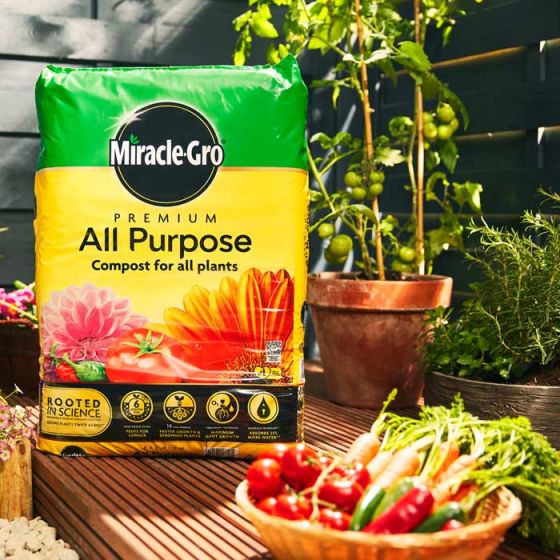
Buy new cuttings of fuchsias from the garden centre and pot up individually in a size larger pot of fresh Miracle-Gro All Purpose Enriched Compost or Miracle-Gro Expand ‘n Gro. Using a nutrient-rich compost and warm temperatures, the plants will grow away quickly and you should pinch out the growing tips occasionally to produce a well branched bush shape. To encourage new growth on those fuchsia plants stored in the conservatory or bedroom over winter start to water the compost once and then mist over the branches with plain water every day.
Feeding of rhododendrons, camellias and azaleas starts in March and should be repeated every fortnight throughout spring and summer. Feeding in spring will feed the existing buds so they produce big beautiful blooms full of rich colour for the variety. The inclusion of sequestered iron in Miracle-Gro Azalea, Camellia and Rhododendron Liquid Plant Food will help to prevent young leaves turning yellow, while the balance of major nutrients is used in summer to encourage many more new buds for next year's display.
TOPICAL TIP
Remove the seed pods from spring bulbs as they form and feed over the leaves and around the roots with Miracle-Gro All Purpose Soluble Plant Food. Feeding while the bulbs are in leaf will help them form new flower buds for next year’s blooming.
Most people use a seed and cutting compost, and follow the instructions on each pack; so it was interesting to read in a consumer magazine this January that they had tested growing bags and potting composts to see if they were suitable for sowing seeds. Surprisingly some proved highly successful, despite not carrying recommendations for seeds on the packaging. Among them was Miracle-Gro Expand ‘n Gro which performed particularly well with larger seeds and was judged as the Best Buy Peat-Free Compost for seed sowing. According to the scientists at Scotts that’s not too surprising as most of the nutrients in this potting compost are held in a slow release form and are not available at the start of the growing process to scorch the tender new roots of the germinating seedlings. Nonetheless using rich potting composts with fine, dust-sized seeds such as campanula, sedum, streptocarpus, verbascum and mesembryanthemum isn’t a good idea. If you can’t place individual seeds into position, the recommendation is to mix the tiny seeds with fine sand and then broadcast onto the level surface of a special SEED & CUTTING compost. It is still the best way for successful results.
Buy new cuttings of fuchsias from the garden centre and pot up individually in a size larger pot of fresh Miracle-Gro All Purpose Enriched Compost or Miracle-Gro Expand ‘n Gro. Using a nutrient-rich compost and warm temperatures, the plants will grow away quickly and you should pinch out the growing tips occasionally to produce a well branched bush shape. To encourage new growth on those fuchsia plants stored in the conservatory or bedroom over winter start to water the compost once and then mist over the branches with plain water every day.
Feeding of rhododendrons, camellias and azaleas starts in March and should be repeated every fortnight throughout spring and summer. Feeding in spring will feed the existing buds so they produce big beautiful blooms full of rich colour for the variety. The inclusion of sequestered iron in Miracle-Gro Azalea, Camellia and Rhododendron Liquid Plant Food will help to prevent young leaves turning yellow, while the balance of major nutrients is used in summer to encourage many more new buds for next year's display.
TOPICAL TIP
Remove the seed pods from spring bulbs as they form and feed over the leaves and around the roots with Miracle-Gro All Purpose Soluble Plant Food. Feeding while the bulbs are in leaf will help them form new flower buds for next year’s blooming.
Feed all fruit early in spring so that roots can draw on valuable nutrients whenever they come into active growth. While most gardeners treat fruits such as gooseberries, strawberries and raspberries to a yearly feed, few seem to give apple and pear trees any extra feeding at all. Which is why the crop from many apple trees is poor or intermittent. To encourage apples, pears and plums back into growth give them a spring treat by dressing the soil under the spread of the branches with Miracle-Gro Sulphate of Potash at 60 grams per square metre.
Where fruit trees are growing in the lawn cut back the grass to reveal bare soil below the branches. You will then be able to feed the soil, work over the surface to dig in the fertilizer and then mulch the surface with a decorative bark such as Levington chipped Forest Bark to retain moisture and help prevent weed seedlings.
TOPICAL TIP
Cover redcurrants and other fruit bushes with netting to prevent hungry birds from stripping the buds.
Where fruit trees are growing in the lawn cut back the grass to reveal bare soil below the branches. You will then be able to feed the soil, work over the surface to dig in the fertilizer and then mulch the surface with a decorative bark such as Levington chipped Forest Bark to retain moisture and help prevent weed seedlings.
TOPICAL TIP
Cover redcurrants and other fruit bushes with netting to prevent hungry birds from stripping the buds.
When the soil is warm enough to be growing weeds then it's time to sow all manner of vegetables outside. Vegetables that will be transplanted to their final growing positions such as summer cabbage, sprouts and leeks should be sown thinly in fine soil that has been improved with the compost from last year's hanging baskets or patio pots. If the soil in this seedbed is particularly wet then covering the area with cloches will help the surface to warm up, dry out and encourage good germination.
For plants that will be growing from seed to harvest in the same spot such as parsnips, beetroot, shallots, spring onions, carrots, lettuce and hardy peas then the soil needs to be enriched with plant food to lift the nutrient reserves to an adequate level. Dress the soil with Miracle-Gro Growmore or Miracle-Gro All Purpose Continuous Release Plant Food before sowing the seed.
<em>TOPICAL TIP</em>
Tread over the area that is to grow onions this year to compact the surface. Snip off the brown ends from the onion sets before placing them in shallow drills 1 cm deep. As birds delight in pulling out onion sets from the soil, cover them with netting at least for a couple of weeks until they have rooted into the soil and have a firm grip.
For plants that will be growing from seed to harvest in the same spot such as parsnips, beetroot, shallots, spring onions, carrots, lettuce and hardy peas then the soil needs to be enriched with plant food to lift the nutrient reserves to an adequate level. Dress the soil with Miracle-Gro Growmore or Miracle-Gro All Purpose Continuous Release Plant Food before sowing the seed.
<em>TOPICAL TIP</em>
Tread over the area that is to grow onions this year to compact the surface. Snip off the brown ends from the onion sets before placing them in shallow drills 1 cm deep. As birds delight in pulling out onion sets from the soil, cover them with netting at least for a couple of weeks until they have rooted into the soil and have a firm grip.
Use plant protection products safely. Always read the label and product information before use.
Patio Magic! contains benzalkonium chloride. The Roundup family of weedkillers contains glyphosate. Weedol® Gun!™ Rootkill Plus contains glyphosate and pyraflufen ethyl. Tumbleweed® Ready to Use contains glyphosate
Click on one of the other months below to see what you can look forward to

Information about what tasks should be carried out for this month.
Monday - Saturday 9.00am - 6.00pm
Keep up to date about our fantastic offers and events.