




CARE AND ADVICE
January
While December is a nostalgic month looking back at the successes and failures of last year, January is a forward-looking month when we can dream about what could be possible in the future. Luckily there are new varieties of flowers, fruit and vegetables to grow and even new garden care products to try. Let’s see what is new for 2012 and how these items are going to make our gardening easier and more exciting.
Most small gardens are planted up so that flowering and foliage shrubs provide a skeleton framework, mixed in with perennial flowers and annual bedding that provide bold splashes of seasonal colour. With occasional climbers such as clematis, honeysuckle and solanum to dress the surrounding fences most suburban gardens are almost fully planted.
But for most gardeners there is always space to show off something fresh and new that will bring joy to the eye during summer. I’ve been studying the latest offerings from some of our biggest seed companies and they make interesting reading. You can find most of these new seeds on display at your local garden centre or gardening retailer, but you can also buy mail order if that suits you better.
If you have space for a large drift of annual flowers in a sunny position then Californian Poppies (Escscholzia) are hard to beat. T&M’s Butter Bush is worth considering for soft yellow interest or Mr Fothergill’s XL Peach Strawberry for a swathe of extra large frilly blooms in orange to red colours. These hardy annuals are tougher than they appear and positively thrive on poor, dry soils. The papery flowers attract bees and hoverflies, and make excellent, if short-lived, cut flowers.
For a great addition to a cottage garden design consider Aquilegia Rhubarb & Custard from Suttons. It makes attractive, low-growing plants just 20-30cm (8-12") tall. These columbines are an easy to grow perennial bearing masses of delicate pinkish-red, yellow-tipped flowers on slender red stems.
I’m a sucker for asters and have been since a boy as they make excellent cut flowers that seem to last for ages indoors. While some breeders are looking for dwarf varieties that make great edging to borders, it is interesting to note that a new pink variety from Suttons called ‘Lady Penelope’ grows to at least 60-70cm (24-28") tall. The large paeony-like flowers are double or semi-double heads of light pink, incurved petals are carried atop tall stems on well branched plants. Now that sounds as if it would make a great cut flower display.
Keeping with the Barbara Cartland theme is Cosmos ‘Double Click Pink’ from Suttons. It promises plenty of blooms throughout the summer showing striking pink-and-white bicoloured petals atop feathery foliage. Like the single cosmos it is relatively tall, growing to a height between 60-90cm (2-3'). Sow February to March indoors for flowers that bloom between July and September.
Sweet pea lovers will be fascinated by ‘Blue Shift’ a new variety from T&M that has astonishing colour-changing blooms. The petals transform from light mauve as they unfurl to true blue as they mature. These extraordinary annuals make a spectacular display bearing different coloured blooms at the same time - flowers even change colour in the vase after cutting! Bred by renowned New Zealand Lathyrus breeder, Dr. Keith Hammett, this is a ‘must have’ for the sweet pea enthusiast.
Summer flowering pansies and violas are a great favourite of most gardeners. They are consistent flowerers and their ‘faces’ and other markings create delightful displays in all sorts of situations. New over the last few years is the development of tumbling varieties and newest of all the truly trailing ones that perform well in hanging baskets and over the sides of window boxes and other containers. Look out for these names – Mr Fothergill’s ‘Plentifall’, T&M’s ‘Friolina’ and Suttons ‘Balconita’ – they all promise to overflow a hanging basket with wonderful flowers.
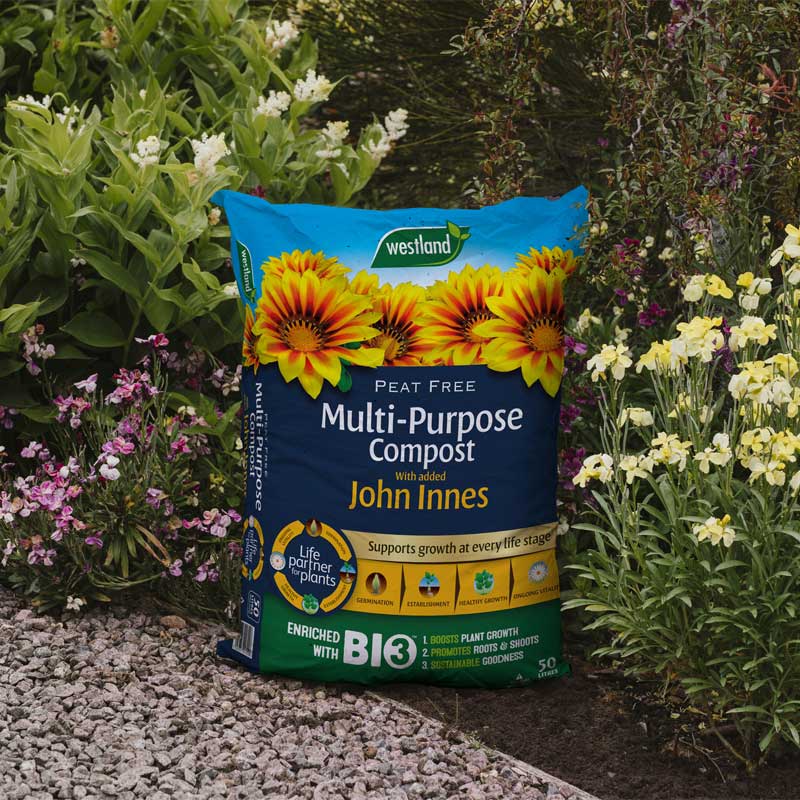
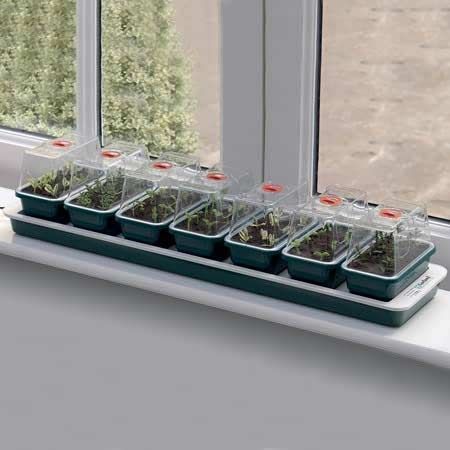
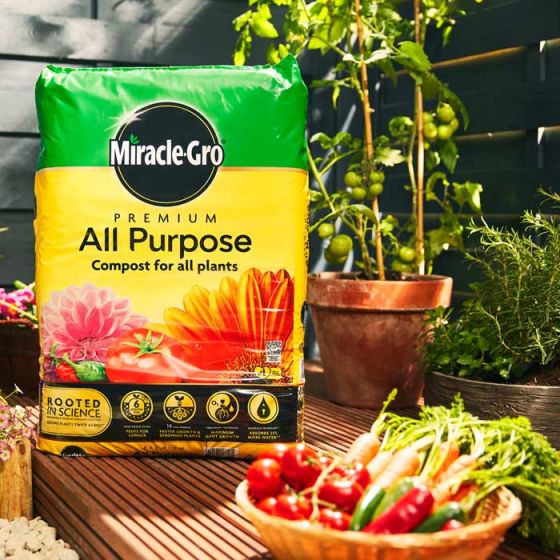
None of these seeds need to be sown in January, although if you can find a windowsill that provides warm conditions night and day, you could start the new growing season with seed of geraniums (pelargoniums), lobelia and verbena. Packets of seed offer good value for money, although few of them are cheap. To make sure you get maximum germination and growth from your seeds, especially if they are tiny like the lobelia, it’s worth investing in fresh compost to provide ideal growing conditions. For me that means Miracle-Gro Gro Your Own Seed & Cutting Compost or Levington Seed & Cutting Compost, but you could use John Innes Seed if you prefer to use a loam-based material.
TOPICAL TIP
Start your gardening diary in January, so you can keep a record of what you sow, what you plant, the varieties of everything and the dates you took action. In this way you will build up a picture of what worked well for you and what didn’t. Only then can you learn from your mistakes.
But for most gardeners there is always space to show off something fresh and new that will bring joy to the eye during summer. I’ve been studying the latest offerings from some of our biggest seed companies and they make interesting reading. You can find most of these new seeds on display at your local garden centre or gardening retailer, but you can also buy mail order if that suits you better.
If you have space for a large drift of annual flowers in a sunny position then Californian Poppies (Escscholzia) are hard to beat. T&M’s Butter Bush is worth considering for soft yellow interest or Mr Fothergill’s XL Peach Strawberry for a swathe of extra large frilly blooms in orange to red colours. These hardy annuals are tougher than they appear and positively thrive on poor, dry soils. The papery flowers attract bees and hoverflies, and make excellent, if short-lived, cut flowers.
For a great addition to a cottage garden design consider Aquilegia Rhubarb & Custard from Suttons. It makes attractive, low-growing plants just 20-30cm (8-12") tall. These columbines are an easy to grow perennial bearing masses of delicate pinkish-red, yellow-tipped flowers on slender red stems.
I’m a sucker for asters and have been since a boy as they make excellent cut flowers that seem to last for ages indoors. While some breeders are looking for dwarf varieties that make great edging to borders, it is interesting to note that a new pink variety from Suttons called ‘Lady Penelope’ grows to at least 60-70cm (24-28") tall. The large paeony-like flowers are double or semi-double heads of light pink, incurved petals are carried atop tall stems on well branched plants. Now that sounds as if it would make a great cut flower display.
Keeping with the Barbara Cartland theme is Cosmos ‘Double Click Pink’ from Suttons. It promises plenty of blooms throughout the summer showing striking pink-and-white bicoloured petals atop feathery foliage. Like the single cosmos it is relatively tall, growing to a height between 60-90cm (2-3'). Sow February to March indoors for flowers that bloom between July and September.
Sweet pea lovers will be fascinated by ‘Blue Shift’ a new variety from T&M that has astonishing colour-changing blooms. The petals transform from light mauve as they unfurl to true blue as they mature. These extraordinary annuals make a spectacular display bearing different coloured blooms at the same time - flowers even change colour in the vase after cutting! Bred by renowned New Zealand Lathyrus breeder, Dr. Keith Hammett, this is a ‘must have’ for the sweet pea enthusiast.
Summer flowering pansies and violas are a great favourite of most gardeners. They are consistent flowerers and their ‘faces’ and other markings create delightful displays in all sorts of situations. New over the last few years is the development of tumbling varieties and newest of all the truly trailing ones that perform well in hanging baskets and over the sides of window boxes and other containers. Look out for these names – Mr Fothergill’s ‘Plentifall’, T&M’s ‘Friolina’ and Suttons ‘Balconita’ – they all promise to overflow a hanging basket with wonderful flowers.
None of these seeds need to be sown in January, although if you can find a windowsill that provides warm conditions night and day, you could start the new growing season with seed of geraniums (pelargoniums), lobelia and verbena. Packets of seed offer good value for money, although few of them are cheap. To make sure you get maximum germination and growth from your seeds, especially if they are tiny like the lobelia, it’s worth investing in fresh compost to provide ideal growing conditions. For me that means Miracle-Gro Gro Your Own Seed & Cutting Compost or Levington Seed & Cutting Compost, but you could use John Innes Seed if you prefer to use a loam-based material.
TOPICAL TIP
Start your gardening diary in January, so you can keep a record of what you sow, what you plant, the varieties of everything and the dates you took action. In this way you will build up a picture of what worked well for you and what didn’t. Only then can you learn from your mistakes.
If you forgot to sow your sweet pea seeds in the autumn, you can sow them now one seed per small pot containing Miracle-Gro All Purpose Enriched Compost. These are deep rooted plants and appreciate deep pots or root-trainers so the roots go downwards rather than create a root ball of ever circling roots.
Sweet peas are becoming more and more popular as blooms take on new colours, forms and significance. For example Mr Fothergill’s have selected a new pale lavender variety called Chelsea Centenary to mark the 100th year staging flower shows on their Royal Hospital site. With a good scent and 7 or 8 blooms per stem we are hoping that it will make a good showing on the Miracle-Gro’wers stand in the Great Pavilion.
T&M on the other hand are to introduce a revolutionary new Sweet Pea ‘Erewhon’! that has darker lower petals in mauve and upper flag petals in pale pink - making it a true reverse bicolour. Bred in New Zealand, this striking sweet pea is a cross between L. odoratus and L. belinensis. This superb variety is highly fragrant and makes an eye-catching addition to early summer bouquets.
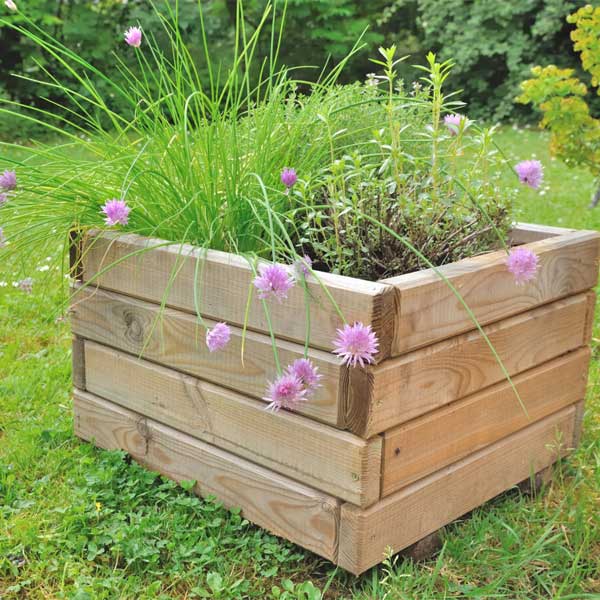
I find that nasturtiums are too vigorous for growing in the flower border soil, especially if it’s been fed. The creeping stems tend to sprawl over every other plant and give an untidy look. That’s why I prefer to grow nasturtiums in large pots on the patio. This year I have chosen a new variety from Suttons called ‘Castonet’. The attractive semi-double flowers come in bright mix of colours including red, yellow, orange and flame. The habit is described as compact, quick-flowering mixture with semi double, spurless flowers produced above light foliage. This hardy annual will be sown in April as soon as the container of Moisture Control Compost warms up.
And what other plans do I have for my patio? As my standard courgettes didn’t perform well out on the allotment in 2012, I am thinking of trying a container grown crop. I plan to use ‘Goldstar’, a new F1 yellow hybrid from Suttons as they claim this to be compact, spine-free, and heavy-cropping. At about half the size of a standard courgette plant, this UK-bred variety seems to be ideal for patio containers and Miracle-Gro Gro Your Own Planters (3 plants per bag). Let’s hope the spine-free, pint-sized plants produce prolific, early crops of tasty golden-yellow fruit.
As a contrast of flower power I also plan to try for the first time a pink coloured pot marigold that Suttons call Pink Surprise. These fully double salmon-pink flowers have a touch of delicate orange and keep blooming right up to the first frosts. In containers these flowers can also be placed into the border to provide some good height.
TOPICAL TIP
Protect containers from really severe frosts with a double layer of bubble wrap fixed around vulnerable pots. Use the same material to protect outdoor taps that could freeze up when the temperatures drop dramatically.
Sweet peas are becoming more and more popular as blooms take on new colours, forms and significance. For example Mr Fothergill’s have selected a new pale lavender variety called Chelsea Centenary to mark the 100th year staging flower shows on their Royal Hospital site. With a good scent and 7 or 8 blooms per stem we are hoping that it will make a good showing on the Miracle-Gro’wers stand in the Great Pavilion.
T&M on the other hand are to introduce a revolutionary new Sweet Pea ‘Erewhon’! that has darker lower petals in mauve and upper flag petals in pale pink - making it a true reverse bicolour. Bred in New Zealand, this striking sweet pea is a cross between L. odoratus and L. belinensis. This superb variety is highly fragrant and makes an eye-catching addition to early summer bouquets.
I find that nasturtiums are too vigorous for growing in the flower border soil, especially if it’s been fed. The creeping stems tend to sprawl over every other plant and give an untidy look. That’s why I prefer to grow nasturtiums in large pots on the patio. This year I have chosen a new variety from Suttons called ‘Castonet’. The attractive semi-double flowers come in bright mix of colours including red, yellow, orange and flame. The habit is described as compact, quick-flowering mixture with semi double, spurless flowers produced above light foliage. This hardy annual will be sown in April as soon as the container of Moisture Control Compost warms up.
And what other plans do I have for my patio? As my standard courgettes didn’t perform well out on the allotment in 2012, I am thinking of trying a container grown crop. I plan to use ‘Goldstar’, a new F1 yellow hybrid from Suttons as they claim this to be compact, spine-free, and heavy-cropping. At about half the size of a standard courgette plant, this UK-bred variety seems to be ideal for patio containers and Miracle-Gro Gro Your Own Planters (3 plants per bag). Let’s hope the spine-free, pint-sized plants produce prolific, early crops of tasty golden-yellow fruit.
As a contrast of flower power I also plan to try for the first time a pink coloured pot marigold that Suttons call Pink Surprise. These fully double salmon-pink flowers have a touch of delicate orange and keep blooming right up to the first frosts. In containers these flowers can also be placed into the border to provide some good height.
TOPICAL TIP
Protect containers from really severe frosts with a double layer of bubble wrap fixed around vulnerable pots. Use the same material to protect outdoor taps that could freeze up when the temperatures drop dramatically.
There isn’t any need for action on the lawn in the depths of winter because treading over the lawn when frost is on the grass leaves can do more harm than good.
Nonetheless it’s worth considering at this time of the year so that you can plan an action diary to give you the best-looking lawn in the street. With busy lives and limited time to spend in the garden, it is worth noting in your gardening diary three or four days for lawn maintenance.
Obviously you will need to mow the grass regularly. But if that is a weekly job on the average sized domestic lawn of around 80 square metres, then it shouldn’t take very long. I find that a note in the diary to feed the lawn in April with EverGreen Complete, in June with EverGreen Cut & Feed and in September with EverGreen Autumn means I don’t have to worry further about routine treatments. I can then buy the bags of lawn foods well in advance – usually at early bird prices – and can then bring them out whenever there’s a fine, dry day in the specified treatment period.
TOPICAL TIP
Plan to make your lawn the heart of your beautiful garden. Having a lush, weed-free play space that provides a brilliant contrast to a flower-filled garden just has to make sense.
Nonetheless it’s worth considering at this time of the year so that you can plan an action diary to give you the best-looking lawn in the street. With busy lives and limited time to spend in the garden, it is worth noting in your gardening diary three or four days for lawn maintenance.
Obviously you will need to mow the grass regularly. But if that is a weekly job on the average sized domestic lawn of around 80 square metres, then it shouldn’t take very long. I find that a note in the diary to feed the lawn in April with EverGreen Complete, in June with EverGreen Cut & Feed and in September with EverGreen Autumn means I don’t have to worry further about routine treatments. I can then buy the bags of lawn foods well in advance – usually at early bird prices – and can then bring them out whenever there’s a fine, dry day in the specified treatment period.
TOPICAL TIP
Plan to make your lawn the heart of your beautiful garden. Having a lush, weed-free play space that provides a brilliant contrast to a flower-filled garden just has to make sense.
I’m always on the lookout for ways to increase the productivity of my vegetable garden and in 2013 I am making these new year’s resolutions.
1. To sow seeds at the most appropriate time, not six weeks after everyone else.
2. To throw away all the packets of opened seed and buy fresh.
3. To avoid using farm-gate manures and stick to bagged soil conditioners.
4. To spend more money on seeds that promise improved vigour rather than save pennies on the cheapest.
5. Ditto for growing composts.
It really is not worth cutting corners on gardening. Cheapest is rarely best and when I spend hours every week on my gardening hobby, why waste all that effort on using second rate materials. For example I know that I can buy fresh sweet corn from my supermarket cheaper than I can produce them – but I’m convinced mine are fresher and the taste is superior.
So here’s some of the highlights to my 2013 shopping list. Maincrop pea ‘Alexandra’ (T&M) produces broad, dark green and slightly curved pods, each containing 8 or 9 tasty peas. As the name suggests, Carrot ‘Eskimo’ is one of the most cold-tolerant varieties available. The late crop, cylindrical roots of this RHS AGM variety promise to resist splitting and retain their flavour throughout the autumn and winter. For my Rocket salad pickings I’m going for ‘Pegasus’ from Suttons because it promises not to bolt and I can pick the outer leaves regularly, as a cut-and-come-again crop.
In 2010 my allotment produced a dozen or so Butternut Squash that were harvested ripe and were stored in the garage for eating well into the new year. In 2012 not one reached the size of a pear. So to up my chances of success, even in poor weather, I’m switching to an F1 Butternut Squash called Hunter (Suttons). Bred in the UK to be a top performer, this is an early ripening butternut variety providing a very heavy crop throughout late summer and autumn. Another advantage is that although it’s a trailing type, it promises to take up less room than American bred varieties.
The Musselburgh leeks I grew last year were a disappointment in that they didn’t reach a reasonable size. Perhaps it was because the seeds weren’t sown until late May rather than March or April when seed companies recommend they should be germinated. Another factor that limited growth was the appalling summer weather – lots of rain and little sunshine. This year I promise to give them a much better chance of success by sowing before the end of April and using an F1 Hybrid seed that has extra vigour. I’m currently pondering the merits of Oarsman from T&M and Carlton from Suttons. Although I notice that DT Brown have a new F1 leek seed called Crusader which is British-bred, totally winter hardy that promises to yield long, white stems with dark green ‘flags’. It has resistance to rust and white tip, while hybrid vigour ensures strong, healthy plants ready for lifting all through winter.
TOPICAL TIP
Make a note to give a weekly foliar feed with Miracle-Gro Plant Food when all seedlings are small.
1. To sow seeds at the most appropriate time, not six weeks after everyone else.
2. To throw away all the packets of opened seed and buy fresh.
3. To avoid using farm-gate manures and stick to bagged soil conditioners.
4. To spend more money on seeds that promise improved vigour rather than save pennies on the cheapest.
5. Ditto for growing composts.
It really is not worth cutting corners on gardening. Cheapest is rarely best and when I spend hours every week on my gardening hobby, why waste all that effort on using second rate materials. For example I know that I can buy fresh sweet corn from my supermarket cheaper than I can produce them – but I’m convinced mine are fresher and the taste is superior.
So here’s some of the highlights to my 2013 shopping list. Maincrop pea ‘Alexandra’ (T&M) produces broad, dark green and slightly curved pods, each containing 8 or 9 tasty peas. As the name suggests, Carrot ‘Eskimo’ is one of the most cold-tolerant varieties available. The late crop, cylindrical roots of this RHS AGM variety promise to resist splitting and retain their flavour throughout the autumn and winter. For my Rocket salad pickings I’m going for ‘Pegasus’ from Suttons because it promises not to bolt and I can pick the outer leaves regularly, as a cut-and-come-again crop.
In 2010 my allotment produced a dozen or so Butternut Squash that were harvested ripe and were stored in the garage for eating well into the new year. In 2012 not one reached the size of a pear. So to up my chances of success, even in poor weather, I’m switching to an F1 Butternut Squash called Hunter (Suttons). Bred in the UK to be a top performer, this is an early ripening butternut variety providing a very heavy crop throughout late summer and autumn. Another advantage is that although it’s a trailing type, it promises to take up less room than American bred varieties.
The Musselburgh leeks I grew last year were a disappointment in that they didn’t reach a reasonable size. Perhaps it was because the seeds weren’t sown until late May rather than March or April when seed companies recommend they should be germinated. Another factor that limited growth was the appalling summer weather – lots of rain and little sunshine. This year I promise to give them a much better chance of success by sowing before the end of April and using an F1 Hybrid seed that has extra vigour. I’m currently pondering the merits of Oarsman from T&M and Carlton from Suttons. Although I notice that DT Brown have a new F1 leek seed called Crusader which is British-bred, totally winter hardy that promises to yield long, white stems with dark green ‘flags’. It has resistance to rust and white tip, while hybrid vigour ensures strong, healthy plants ready for lifting all through winter.
TOPICAL TIP
Make a note to give a weekly foliar feed with Miracle-Gro Plant Food when all seedlings are small.
Click on one of the other months below to see what you can look forward to

Information about what tasks should be carried out for this month.
Monday - Saturday 9.00am - 6.00pm
Keep up to date about our fantastic offers and events.