




CARE AND ADVICE

December
As we come to the end of the year it’s a good time to take a few minutes to write down the successes and failures you’ve had this season and to note any lessons learned. Within this diary I have noted not only the actions that are topical, but also noted my learnings from 2011.

Growing plants from seed was a difficult job this year, especially where seeds were sown directly in garden soil outside. The heavy rains of spring and summer seemed to either wash away the seeds or encourage rotting before germination could take place. In many areas of the country the rain provided no let up and it was not unusual to hear on the news that some locations had received a month’s amount of rainfall in just 24 hours.

Both spring and summer were statistically the biggest washout in a century. Lack of sunshine and cooler than average temperatures added to the woes of gardeners with plant growth slowing to minimum or even total stop.
Unfortunately the weather pundits seem to predict that this is the result of global warming and could be repeated. But we must pray that in 2013 the jet stream that normally brings in weather fronts across the Atlantic Ocean will move north of the British Isles during the summer and give us more ‘average’ weather conditions.

You may feel that preparing for the worst and hoping for the best is a better philosophy. If so you should think about constructing raised beds in which to grow your annual flowers and vegetables. Raising the soil level by 20 cm (8”) will provide some useful extra drainage to all manner of soils and should help to minimise rots to seeds in future years.
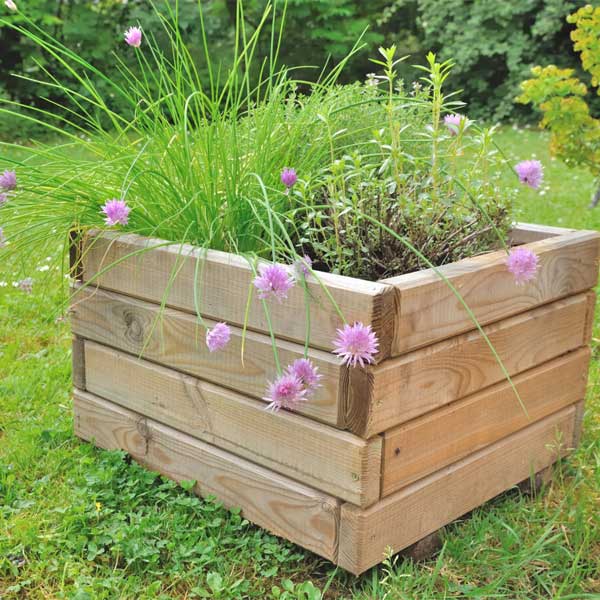
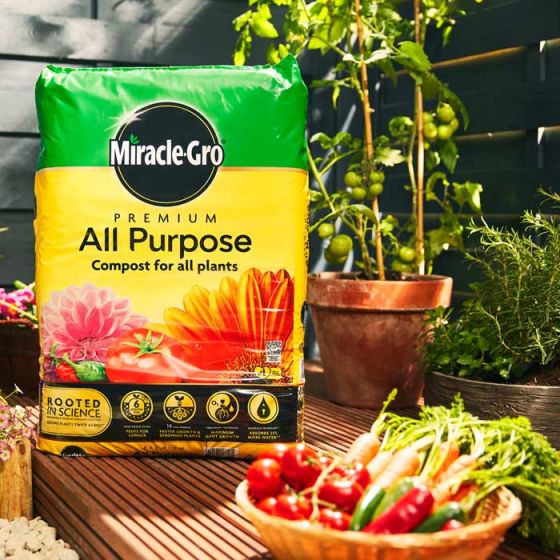
If you haven’t the energy to move all that soil you could always grow your flowers in pots dotted throughout the flower border. In this case you will provide extra height for low growing flowers and give them the extra drainage that they need. When potting them up in their flowering position it’s always wise to use a compost such as Miracle-Gro Moisture Control Compost that contains slow release nutrients that promise to feed for up to 6 months. Ordinary composts will run out of steam in a month or so anyway and the flowering capacity of your summer bedding will be short-lived. If the weather is especially wet next year it is probably wise to raise the pots off the soil and onto bricks so excess rainwater seeps away from the compost.

Decorative trees and shrubs aren’t usually affected dramatically by heavy rains as their woody skeletons hold up their flowers even in downpours. One element that does affect their ability to flower well is the lack of plant nutrients present within the soil. Few gardeners feed shrubs such as mock orange, hydrangea or New Zealand Tea tree (Leptospermum) as in most years they find enough nutrients. In wet weather when nutrients are washed quickly through the soil, this is the time when they most need help from added nutrients. Scientists have now developed continuous release nutrient granules that steadily release plant foods each and every day through a six month period. You can find them as Osmocote or Miracle-Gro brands and you can rely on them to feed your plants throughout the growing season, whatever the heavens throw down. There is an All Purpose Plant Food, but I refer to use the Miracle-Gro Rose & Shrub Continuous Release Plant Food as it does contain plenty of potash to encourage more blooms with a vibrant flower colour. An application to your flowering shrubs and trees in March just before growth starts will still be feeding right through until September. To learn all about plant feeding go to the ‘Making Miracles Grow’ page on www.lovethegarden.com .
Most early flowering bedding plants struggled through early summer although I found geraniums, rudbeckia and cape daisies (Osteospermum) did well through August and into September. They provided a great display, but perhaps that was because they received regular applications of Miracle-Gro Soluble Plant Food every 10 days or so. In fact the geraniums – all vibrant scarlet - grew so big they swamped out everything else in the raised bed beside the patio.

Topical Tip
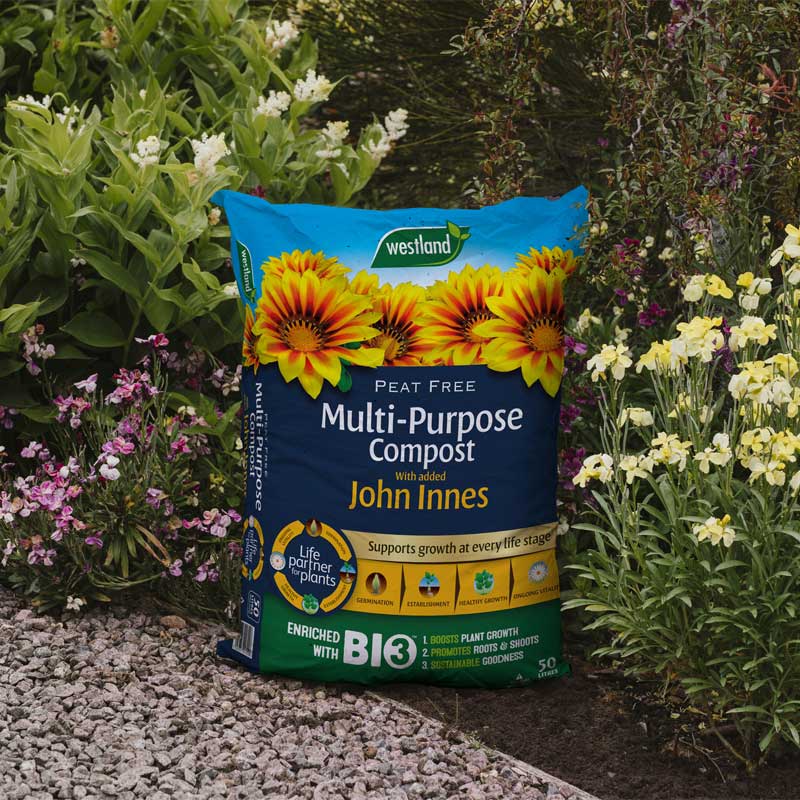
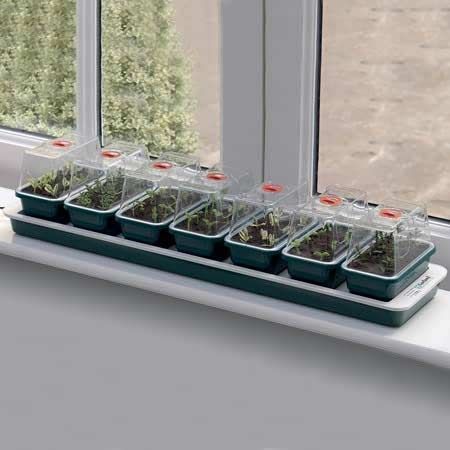
Sow seeds of geraniums at the end of the year in pots of Miracle-Gro Gro Your Own Seed & Cutting Compost so you have decent sized plants by the end of May. Cover with a polythene bag to retain moisture and place on a warm windowsill.


Lawn Care

Grass plants are virtually hibernating at this time of the year and growth is normally very slow to most lawns. Mowing is not usually required during the winter, and is best avoided, especially in cold frosty weather.
If the weather remains really wet and puddles are forming on the lawn surface, it’s a good idea to take a garden fork and to spike the wet areas down to a depth of at least 15cm (6”). The holes created by the fork tines will improve drainage slightly and should help the sitting water to drain away. If the puddles are forming in slight depressions in the lawn it may be worth also adding some EverGreen Lawn Soil to those hollows to level out the surface of the lawn. Because the extra soil will bury some of the grass stems it should only be applied to a maximum of 3cm (1”) deep at any one time. After the grass has grown through, you could repeat the 3cm layer again early next spring.

Where frost has left its white water crystals on the leaves of grass you can be sure that the stems are literally frozen through, even if the soil isn’t quite that cold. This means that your grass plants are vulnerable to physical damage if you walk over the area – so keep off and encourage all the family to do likewise. Unfortunately walking or running over the grass will crush the leaves and they will turn brown when they warm up. As a result you will have brown footprints marking the lawn until this stem grows out. At this time of the year that may take as long as 3 months to disappear when you mow the grass again in March. If it is impossible to get to a shed or hang out washing on the line without walking on the grass you may have come to the time when a paving slab path or an arrangement of stepping stones is a ‘must-have’ requirement.

Lawns don’t fair badly in wet weather, although they do need to receive extra nutrients throughout the year if they are to look a rich green colour and remain thick and lush. Feeding is not recommended during the winter but you could look to the January sales to pick up some EverGreen Cut & Feed at special early prices ready for application whenever the weather turns mild next March.

Topical Tip
Keeping the edges of the lawn neat and tidy is something you can do in winter. If you have time, use a half-moon edger to cut the lawn edges back to its original shape. A clean sharp edge with bare soil below the level of the lawn provides a handy barrier that can quickly and easily be treated with Weedol Gun! Rootkill Plus during the growing season so that annual weeds are no problem to clear.


As land becomes free, dig over the area adding organic matter to parts of the vegetable garden that are not going to grow root crops next year. Continuously improving the structure of the soil with Levington Organic Blend Soil Improver or Levington Farmyard Manure will pay long term dividends in better plant growth and improved drainage of heavy clay. Soil improved in this way encourages a larger, stronger root system that is able to use the extra water and nutrients held in the soil.
Parsnips taste much better after they have been subjected to a decent frost as the carbs turn to sugar. Lifting some roots and leaving them on the soil surface is a good way to get them to a perfect eating state. To ensure the soil holding the remainder of the root can be easily dug throughout the winter it is a wise move to cover the area with straw. This insulation will allow you to dig up this tasty vegetable even when the surrounding soil is frozen hard.

Most people grow onions from sets planted out in March, but if you want a huge crop why not sow seeds right now? One packet can provide hundreds of new plants and when sown this early will have enough time to grow into exhibition sized vegetables by the end of summer.

Sowing more types of seeds indoors or at least under cover may also be the only successful way to garden if our early spring weather continues to be wet and windy. If you experienced poor seed germination when sowing directly in the soil you can improve your success rate by using cloches or protective fleece over your rows. Last year many gardeners had to sow seeds several times before achieving adequate germination. The wet soil unfortunately encouraged seeds to rot and enabled the slugs to easily attack any seedlings that did pop through.

My plan for 2013 is to sow more seeds in pots of compost and to germinate them either indoors or in an unheated mini-greenhouse. For the seeds of root crops that are traditionally sown directly in the soil such as carrots and parsnips I will be buying some cloches to increase the chances of success from the first sowing. I understand that it’s important to fit the cloches into place a few weeks before sowing time, so that the soil beneath has time to warm up slightly, and to sprinkle SlugClear Ultra pellets thinly along the rows to put paid to slug invasions.

After sowing at the right depth and covering with fine soil as required it should then be plain sailing until it’s time to remove seedling weeds to reduce competition to your crop plants. Well that’s the theory anyway. I promise more news next spring when I will test the cloche method side-by-side with open-air sowing so I can report on any differences that show.

Topical Tip
For a really early spring crop of peas sow seed of a first early variety such as Meteor in pots of Miracle-Gro Gro Your Own Seed & Cutting Compost and allow them to germinate indoors before placing in a mini-greenhouse or cold frame outside. Plant out into garden soil in early March under cloches.


Houseplants

It’s time to plant up bulbs of Hippeastrum, also commonly known as Amaryllis either for yourself or to give to friends as living gifts.

Plant tender hippeastrum bulbs in a pot 5cm wider than the diameter of the bulb, with one-third to half of the bulb above compost level. For great results use Miracle-Gro Potting Mix, a compost that is ideal for potting up all houseplants other than ericaceous ones such as azaleas. A stake positioned at this time will prove useful later when the tall stem needs support. After potting, place in a brightly lit spot, water sparingly at first, but increase watering as the foliage develops. If you turn the pot regularly you will find that the flower stem grows more vertically and is therefore less likely to grow towards the light. You will soon be blessed with several spectacular trumpet blooms that will delight the family. To ensure flowering in subsequent years, keep the compost moist and feed when the leaves are green. A holiday outside from the end of May will encourage strong bulb growth and better flowering next year. Stop watering from the end of July and turn the pot on its side to allow the plant to die back. Store in a frost-free position until October or November and you can then repot to start the cycle all over again. Remember that these bulbs prefer to be pot-bound and seem to bloom much better with their roots restricted.

You can learn all about Caring for Christmas Houseplants on www.lovethegarden.com.

Orchids, especially the phalaenopsis moth orchids are great value as they can bloom for months on end with regular watering and an occasional feed with Miracle-Gro Plant Food. They make great houseplants as they naturally grow in cool, shady spots including Java and Queensland, Australia. Follow the instructions on the label, watering the compost rather than the leaves and the crown which can otherwise rot. Good light, without direct sunlight is needed and a moist atmosphere is preferred by standing the pot on a gravel tray. For maximum growth re-pot every year in Levington Orchid Compost for a long-lived beauty.

Topical Tip
Beware storing houseplants at night behind curtains on windowsills during frosty weather. Most are not hardy and will soon sulk as the temperatures drop overnight.


Use plant protection products safely. Always read the label and product information before use.

SlugClear™ Ultra contains metaldehyde. Weedol® Gun!™ Rootkill Plus™ contains glyphosate and
pyraflufen ethyl.


Click on one of the other months below to see what you can look forward to